
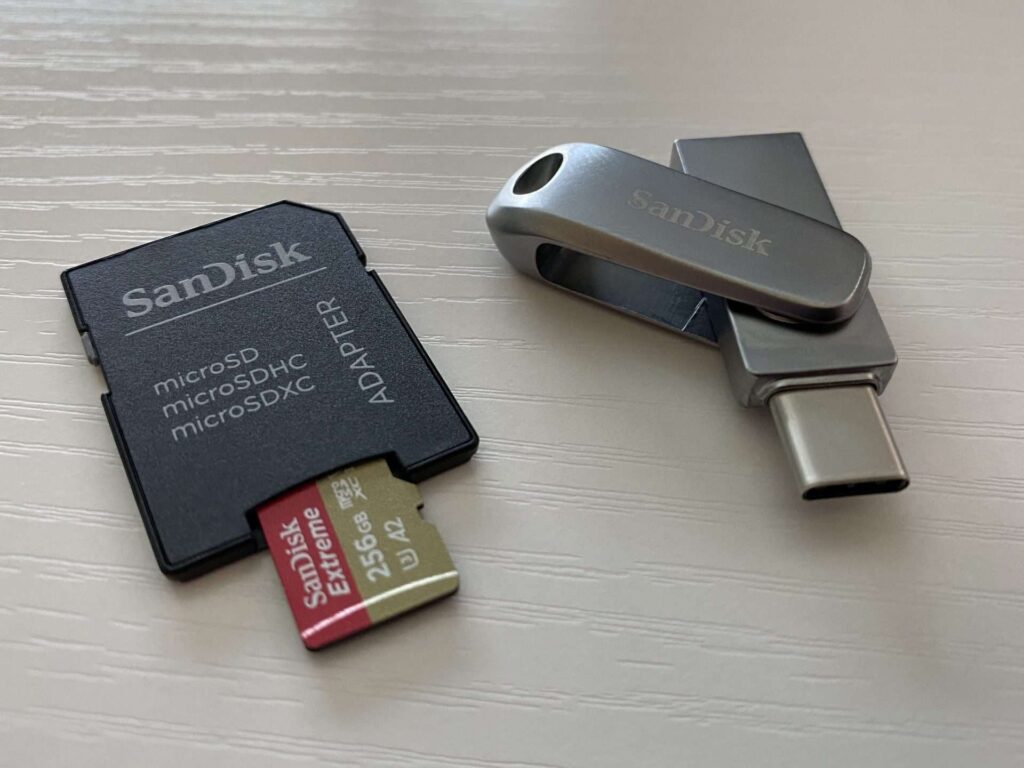
SanDisk has earned a reputation as one of the most reliable names in personal storage solutions. Whether you’re looking for internal or external hard drives, SD cards, or compact thumb drives, SanDisk offers products that meet a wide range of needs. Over time, the size of digital files, photos, videos, and even certain documents, has increased dramatically. To put it into perspective, a single five-minute uncompressed RAW video shot on a mid-to-high-end camera today can be roughly the same size as an entire PC or console video game.
This rise in quality and resolution means that faster, more secure storage media is essential—especially for recording large files without sacrificing performance or overspending. That’s where dependable microSD cards and flash drives truly shine, providing quick and efficient file saving for countless devices. When it comes to protecting valuable data, choosing a brand with a proven history of quality and reliability isn’t just a preference, it’s a necessity.
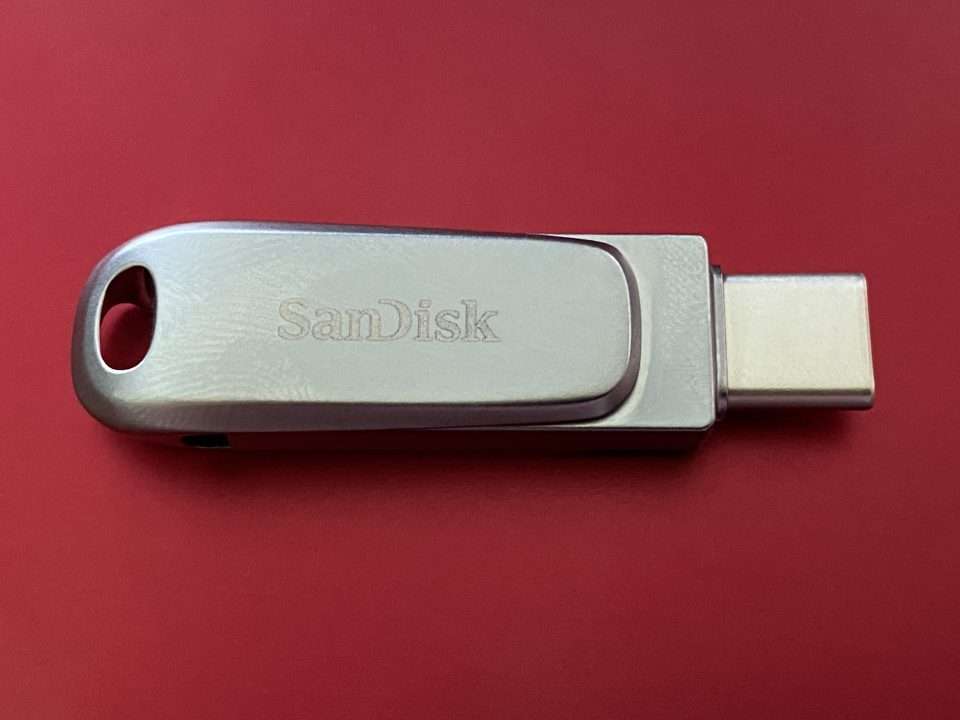
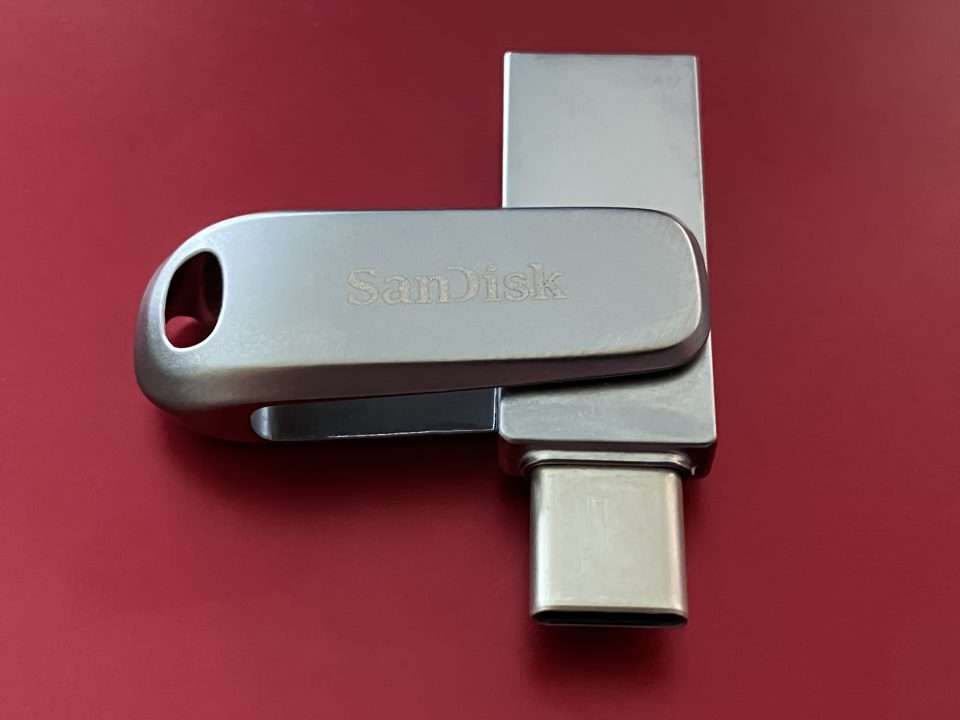
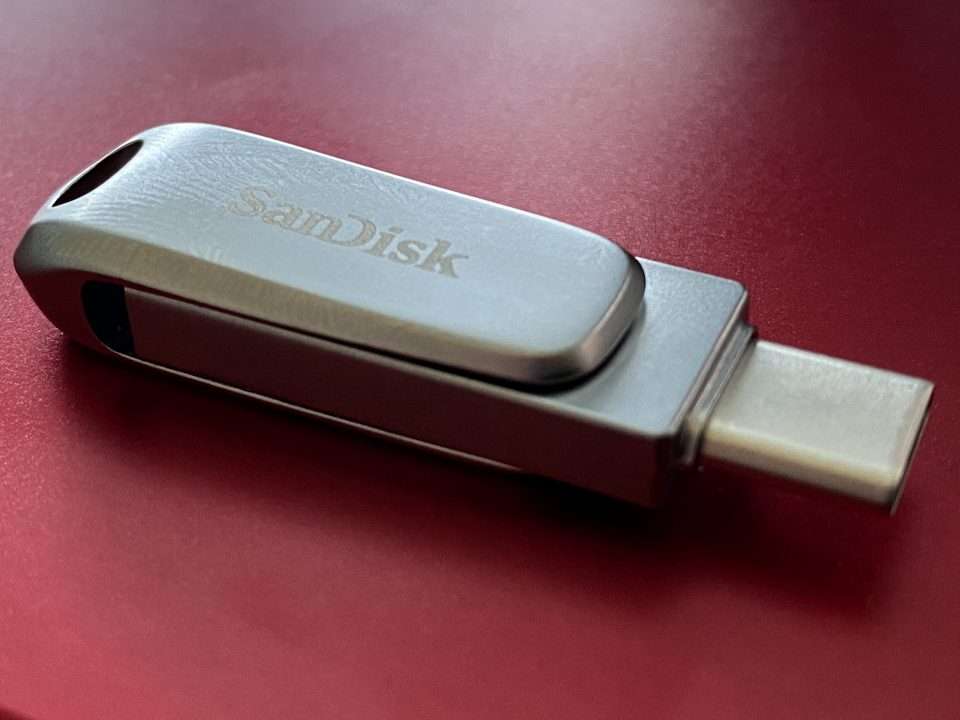
SanDisk offers a range of storage drives designed to suit needs from small to massive capacity. At the top of their lineup right now is the Ultra Dual Drive Luxe USB Type-C, boasting an impressive 1TB of storage. Despite its huge capacity, it’s no bigger than a keychain, making it incredibly convenient to carry. Crafted entirely from metal, this flash drive feels like a single, solid piece when you hold it, its weight and smooth finish give it a premium feel. The drive features both a reversible USB Type-C connector and a standard USB Type-A connector, making file transfers between different devices quick and easy. Thanks to these two connection options, compatibility with almost any modern device is practically guaranteed. Its sleek, compact build and exceptional design quality often surpass expectations.
Small Size, Huge Capacity
While the pandemic continues to affect our lives, especially with the emergence of new variants, life must still move forward. Around the globe, schools and universities have reopened, and students are once again attending classes in person. With that comes the constant need to store and access assignments, videos, photos, and written documents for every subject. A compact, durable, and convenient solution for this is the SanDisk “premium” thumb drive. This small yet sturdy device can be kept on you at all times, whether clipped to a backpack, attached to your keyring, or fastened to your purse or wallet. SanDisk makes this even easier by designing a swivel with a built-in opening, so attaching it to your essentials is effortless.
The drive comes in various storage capacities to match user needs. For context, the iPhone 12 Pro maxes out at 512GB, only half of what SanDisk’s 1TB version offers. Considering how much we rely on our phones to store nearly every part of our digital lives, it’s safe to say this little drive has more than enough room to handle it all, whether for school, work, or personal use.
How Thumb Drives and Flash Drives Differ
When most people think about these compact storage devices, the first things that come to mind are convenience, easy access, and how much data they can hold. As long as they work as expected, we rarely stop to consider the technology inside. But not all flash-based drives are created equal, and understanding their differences can help you choose the right one for your needs. Although “thumb drive” and “flash drive” are terms often used interchangeably, they’re not quite the same. Both store data without moving parts and serve a similar purpose, but their internal build quality and memory technology vary in important ways.
Thumb drives typically rely on solid-state flash memory, similar in principle to an SSD, but without magnetic components for reading, writing, and storing data. These drives often come with sturdier casings and a higher price tag. They’re designed for a longer lifespan when it comes to repeated rewriting of files, though their transfer speeds are usually slower compared to SSDs found in hard drives. Still, they can be damaged if mishandled.
Standard flash drives, on the other hand, may use compact flash (CF) memory. They’re generally quicker to transfer files and can withstand accidental drops better. However, frequent deletion and rewriting can wear them out faster, potentially leading to data loss or total drive failure.
In short: thumb drives trade a bit of speed for longer reusability and durability over time, while traditional flash drives offer faster performance but a shorter overall lifespan when heavily rewritten.
With those basics in mind, it’s easier to see why the 1TB Ultra Dual Drive Luxe USB Type-C stands out. SanDisk has given it a strong, elegant build, impressive transfer speeds, and excellent rewrite capability. It’s a durable, reliable storage solution—one that’s not just practical, but a smart long-term investment to keep your files safe.
When it comes to high-speed storage and dependable data protection, few options rival the SanDisk Extreme microSD. Backed by one of the most trusted names in the industry, this card delivers unmatched performance for capturing and transferring data. The “Extreme” label isn’t just marketing, these cards can reach read speeds of up to 160MB/s and write speeds of up to 90MB/s, setting the bar for portable storage solutions.
While everyday devices like the Ultra Dual Drive Luxe Thumb Drive don’t require this level of speed, the technology landscape is changing. Modern drones and professional-grade cameras, such as those from DJI, Sony, Blackmagic, Skydio, Panasonic, Canon, Parrot, and Autel, now demand the ability to record ultra-high-resolution formats like 4K RAW at incredible bitrates. The SanDisk Extreme microSD is purpose-built to handle this demanding workload without missing a frame.
SanDisk’s commitment to precision manufacturing and rigorous quality control ensures reliable, stable performance, even under the heaviest usage. Although the Extreme series may carry a higher price tag compared to other microSD cards, the investment brings peace of mind, your footage and files remain safe under SanDisk’s trusted care. As of September 2021, the lineup ranges from a massive 1TB capacity all the way down to 32GB, ensuring a size to fit every need.
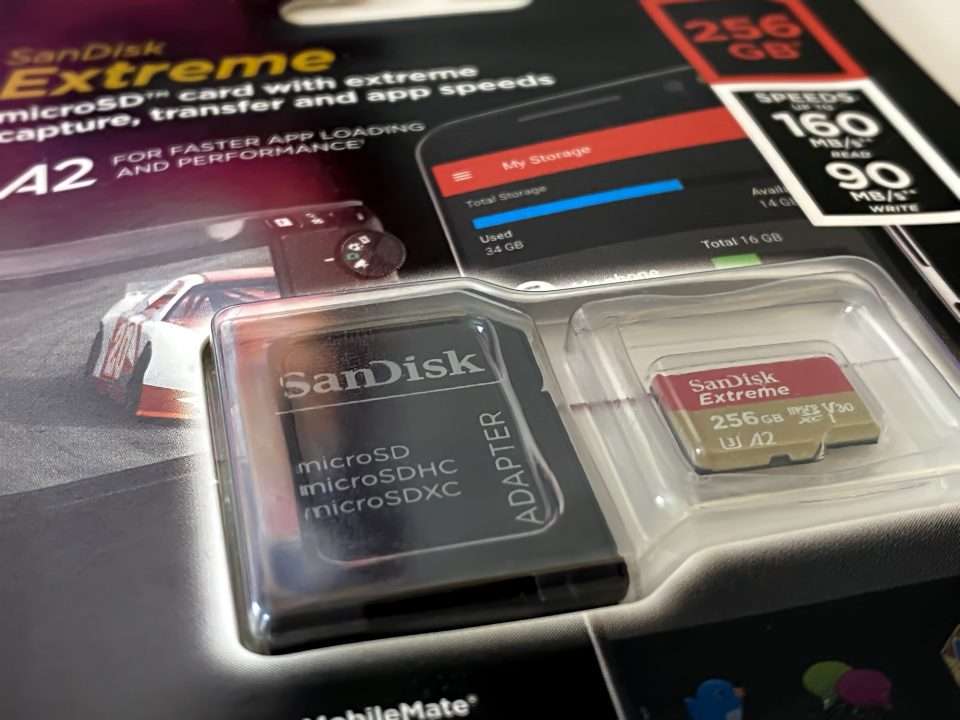
I’ve been using SanDisk Extreme memory cards across multiple devices, and they’ve never let me down. My 128GB SanDisk Extreme microSD card handles both my Skydio 2 Autonomous Drone and my DJI Osmo Pocket 4K without a single hiccup, no corrupted files, no playback problems, nothing.
For my main video work, I shoot on a Blackmagic Pocket Cinema 4K paired with a 256GB SanDisk Extreme, and the results are consistently impressive. The footage is sharp, vibrant, and free of dropped frames or visual glitches every single time.
Final Thoughts
Western Digital, the parent company of SanDisk, stands among the most highly regarded names in the global storage industry. Known for their innovation and reliability, they’ve consistently maintained a competitive edge across nearly every area of their market. From traditional hard drives (HDD) and modern solid-state drives (SSD) to personal cloud solutions, external and internal drives, and portable options like flash drives, thumb drives, SD cards, microSD cards, and specialized game drives, WD and SanDisk deliver top-tier performance. Whether you’re upgrading your home setup, expanding your gaming storage, or safeguarding important files, these products are worth serious consideration. For great deals, check Amazon, or explore the official Western Digital website to find exactly what you need for storing your data.
