
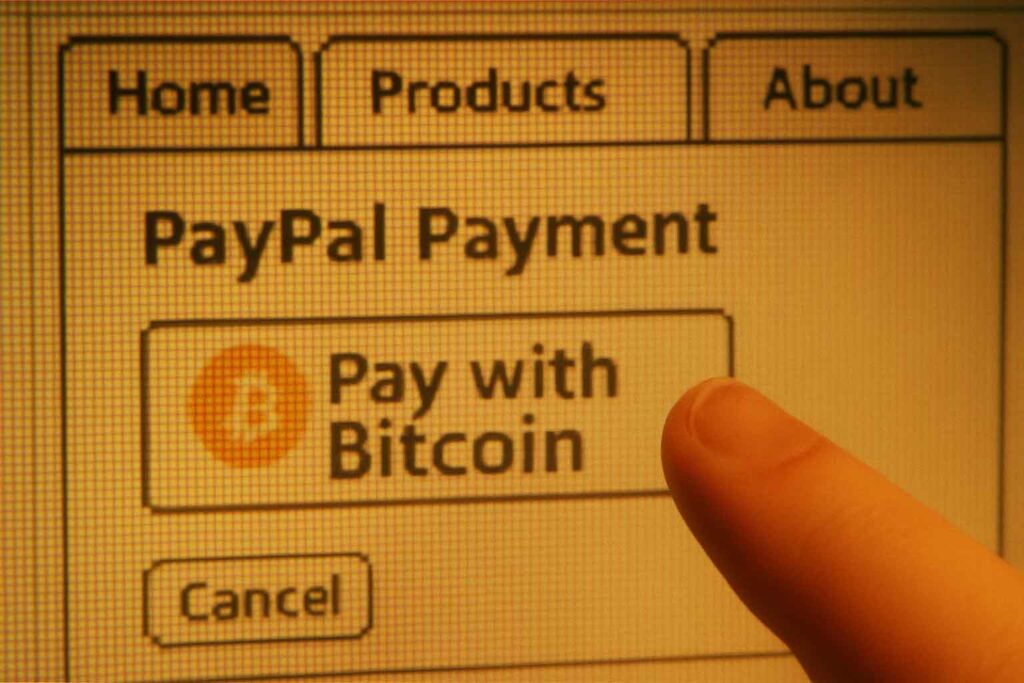
On July 28, 2025, PayPal announced the launch of its new “Pay with Crypto” feature, giving U.S. merchants the ability to accept payments in over 100 cryptocurrencies. The list includes major digital assets like Bitcoin (BTC), Ethereum (ETH), USDT, USDC, XRP, BNB, and Solana. The move marks a significant step toward mainstream digital currency adoption, aiming to make crypto payments easier and more cost-effective for businesses. PayPal Newsroom.
Instant Conversion and Settlement
When a customer uses crypto to make a purchase, PayPal instantly converts the payment into U.S. dollars or PYUSD, the company’s own U.S. dollar–backed stablecoin. This immediate conversion shields merchants from cryptocurrency price volatility and ensures faster settlement.
Lower Transaction Fees
The company has introduced an introductory transaction fee of 0.99% for crypto payments. By comparison, international credit card processing fees often range from 1.5% to 3.5%. This could mean savings of up to 90% for merchants who process a high volume of transactions, especially across borders.
Stablecoin Yield for Merchants
Merchants who choose to hold their converted funds in PYUSD can earn a 4% annual yield through PayPal. This incentive aims to encourage stablecoin adoption while offering an alternative way for businesses to grow their balance without additional effort.
Broad Market Reach and Wallet Integration
The launch aims to connect merchants with a global pool of over 650 million crypto users, tapping into a crypto market estimated at $3 trillion or more The Sun+7PayPal Newsroom+7MLQ+7. PayPal also integrates with popular crypto wallets – such as Coinbase, MetaMask, Binance, Kraken, OKX, Phantom, and Exodus – making it seamless for customers to pay from their existing wallets AInvest+5PayPal Newsroom+5TechRadar+5.
Strategic Push into Global Commerce
Alex Chriss, PayPal’s President and CEO, stated that this rollout is part of the company’s larger mission to reduce cross-border payment friction for merchants of all sizes. It follows PayPal’s “PayPal World” initiative, which connects leading digital wallets to simplify international commerce.
Regulatory Landscape & Tech Backdrop
The crypto-to-fiat conversion model shields merchants from direct exposure to crypto volatility, but inherently leans on centralized infrastructure. While PayPal’s approach simplifies payment flow, it departs from the decentralized spirit of crypto. Still, the strategy aligns with ongoing regulatory developments and stablecoin frameworks like the recently passed GENIUS Act AInvest+1.
Summary: Key Takeaways
| Feature | Details |
|---|---|
| Cryptocurrencies | Over 100 supported, including BTC, ETH, USDC, USDT, etc. |
| Wallet Integration | Coinbase, MetaMask, Binance, Kraken, OKX, Phantom, Exodus |
| Conversion Mechanism | Instant conversion to USD or PYUSD |
| Fee Structure | 0.99% introductory rate; significantly lower than credit cards |
| Stablecoin Yield | 4% annual return when holding PYUSD |
| Market Reach | Access to ~650M crypto users and $3T+ market cap |
| Merchant Benefits | Faster settlements, lower costs, new customer base |
Why It Matters
- Merchant Advantage: Lower costs and faster payments can make a real difference for small and medium-sized businesses.
- Crypto Utility: This move gives cryptocurrency holders more practical ways to spend their assets, beyond speculation.
- Industry Convergence: PayPal’s integration of traditional and crypto payments is a sign of how financial technology is merging into unified platforms.
