
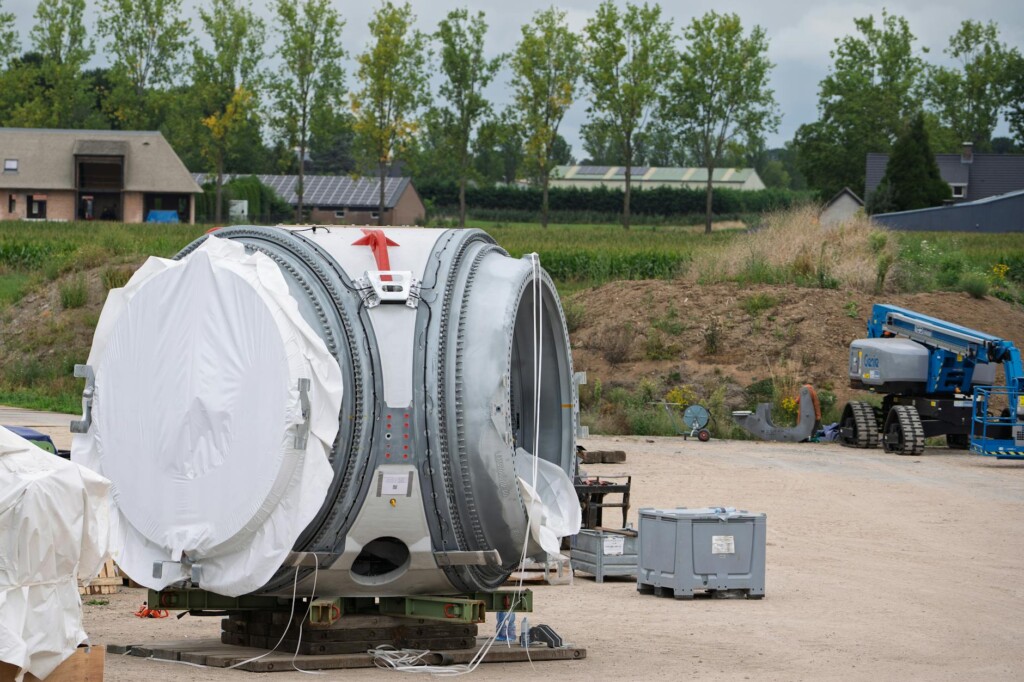
Featured image by Martijn Stoof via Pexels.
Fusion energy has long been the holy grail of clean, sustainable power — offering the promise of abundant energy with minimal environmental impact. Recently, fusion startups have attracted significant investment, with several raising over $100 million to push the boundaries of this technology. This article breaks down every fusion startup that has crossed this funding milestone, what it means for the energy sector, and why you should keep an eye on this rapidly evolving space.
Why Fusion Energy Matters
Fusion is the process that powers the sun, involving the merging of atomic nuclei to release energy. Unlike traditional nuclear fission, fusion produces little radioactive waste and poses far fewer safety risks. The challenge has always been achieving and sustaining the extreme conditions needed for fusion reactions here on Earth.
Recent advances in materials science, magnetic confinement, and computational modeling have made fusion more achievable than ever. This has led to a surge of startups focused on making fusion power commercially viable, attracting investors eager to back the next energy revolution.
Overview of Fusion Startup Funding
According to TechCrunch’s latest report, fusion startups have raised a combined total of $7.1 billion to date. However, the bulk of this capital is concentrated in a relatively small group of companies, each pushing unique technological approaches.
This funding demonstrates strong investor confidence in fusion, but it also highlights the high capital demands and technical complexity of the field.
Top Fusion Startups with Over $100M Raised
Here’s a breakdown of the leading fusion startups that have successfully raised over $100 million, along with their core technologies and funding highlights:
- Commonwealth Fusion Systems (CFS)
Raised over $2 billion. CFS focuses on high-temperature superconducting magnets to create compact, powerful fusion reactors. Their approach promises smaller, more cost-effective fusion power plants. - Tokamak Energy
Secured more than $250 million. This UK-based company develops spherical tokamaks, aiming to accelerate fusion timelines with innovative magnet technology and advanced plasma control. - Helion Energy
Raised approximately $550 million. Helion uses a magneto-inertial fusion approach, aiming to produce net energy gain with a compact, pulsed fusion device. - TAE Technologies
Over $1 billion raised. TAE takes a unique path with aneutronic fusion, which produces fewer neutrons and potentially less radioactive waste. Their technology focuses on field-reversed configuration plasma confinement. - First Light Fusion
Raised above $150 million. This UK startup is exploring inertial confinement fusion using high-velocity projectiles to induce fusion reactions.
What Sets These Startups Apart?
Each of these companies is tackling fusion energy from different angles:
- Magnetic Confinement Fusion: Used by CFS and Tokamak Energy, this approach uses powerful magnetic fields to contain hot plasma.
- Inertial Confinement Fusion: First Light Fusion focuses on this method, which involves compressing fuel pellets to extreme densities.
- Magneto-Inertial Fusion: Helion Energy’s hybrid technique combines aspects of both magnetic and inertial confinement.
- Aneutronic Fusion: TAE Technologies aims for reactions that minimize neutron production and radioactive waste.
This diversity in approaches is healthy for the fusion ecosystem, increasing the chances that one or more technologies will become commercially viable.
Why Should Entrepreneurs and Side-Hustlers Care?
Fusion startups are not only reshaping the energy sector but also opening new opportunities for entrepreneurs and innovators. Areas ripe for disruption include:
- Advanced Materials: Developing heat-resistant and superconducting materials for reactors.
- AI and Automation: Optimizing plasma control and reactor maintenance.
- Software Tools: Simulation and modeling platforms to accelerate fusion research.
- Energy Storage and Distribution: Integrating fusion power into existing grids.
If you’re interested in getting involved or investing, now is a good time to learn more about fusion-related tools and startups that are shaping the future.
Challenges Still Ahead
Despite impressive funding rounds and technological progress, fusion energy remains a high-risk venture. Key challenges include:
- Technical Complexity: Achieving sustained, net-positive energy output is still elusive.
- High Costs: Building and operating experimental reactors requires substantial capital.
- Regulatory Hurdles: Fusion regulation is still evolving, potentially affecting deployment timelines.
Investors and entrepreneurs should be aware that widespread commercial fusion power may still be years or decades away. However, the momentum and capital flowing into this sector are promising signs.
How to Stay Updated
Fusion energy is a fast-moving field. To keep pace with the latest developments and startup funding news, consider:
- Following TechCrunch’s fusion energy coverage for up-to-date news.
- Subscribing to newsletters from fusion research organizations and startups.
- Exploring platforms like Crunchbase to track funding rounds and emerging companies.
By staying informed, entrepreneurs and tech enthusiasts can spot opportunities early and contribute to what might be the next big leap in clean energy.
FAQ
What is fusion energy and why is it important?
Fusion energy comes from fusing atomic nuclei to release energy, offering a clean, abundant power source with minimal waste compared to current energy technologies.
Which fusion startups have raised over $100 million?
Notable startups include Commonwealth Fusion Systems, TAE Technologies, Helion Energy, Tokamak Energy, and First Light Fusion, each raising from $150 million to over $2 billion.
How soon can we expect commercial fusion power?
While progress is accelerating, commercial fusion power plants are likely still 10-20 years away due to technical and regulatory challenges.
Can I invest in fusion startups?
Some fusion startups are private, but interested investors can explore venture funds focused on clean tech or keep an eye out for public offerings in the future.
This article may include practical opinions, tool suggestions, and product references. Always verify pricing, features, and availability before making decisions.
