
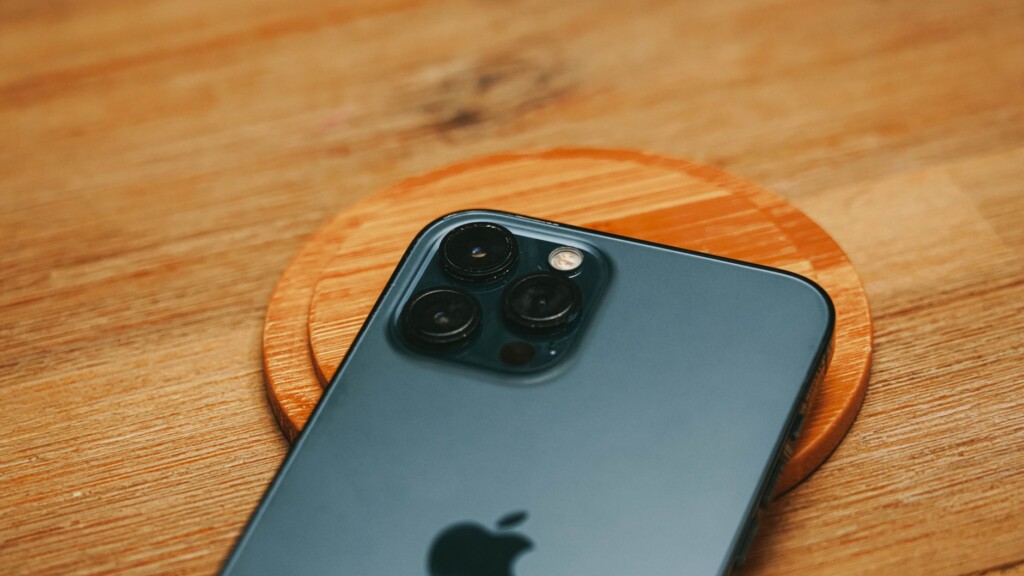
Featured image by Nenyasha Manzvera via Pexels.
As AI image manipulation becomes increasingly sophisticated, distinguishing authentic photos from AI-generated or altered images has become a challenge for everyday users and professionals alike. Apple aims to tackle this head-on with a new feature launching on the iPhone 18 Pro lineup later this month. This new camera mode, called “Reference Image,” promises to digitally “sign every pixel it sees,” offering a way to prove your photo is genuinely taken by your device and not manipulated by AI.
What Is the Reference Image Mode?
Apple’s Reference Image mode is a novel approach to photo authenticity. Instead of just capturing an image, the iPhone 18 Pro’s advanced camera sensor will embed a cryptographic signature directly into the photo at the pixel level. This signature is unique to the device and the exact moment of capture, creating a verifiable digital fingerprint.
According to The Verge, this feature is designed to combat the rising concerns about AI-manipulated photos flooding social media, news outlets, and personal communications.
Why Does This Matter?
With AI-generated images becoming more realistic and easier to produce, the line between real and fake photos is blurring rapidly. This can have significant consequences, from misinformation to fraud or simply undermining trust in digital content.
Reference Image mode offers several practical benefits:
- Authenticity Verification: Users can prove their photos are original and unaltered.
- Trust Building: Journalists, influencers, and businesses can provide transparent evidence of genuine imagery.
- Combat Misinformation: Reduces the spread of AI-fabricated visuals that can mislead audiences.
- Enhanced Privacy: Since the signature is embedded at capture, it does not require uploading to cloud services for verification.
How Does the Technology Work?
The iPhone 18 Pro’s new sensor works by creating a cryptographic hash for each pixel when the photo is taken. This hash acts like a digital signature that is difficult to alter without invalidating the signature. If someone tries to edit or replace parts of the image, the signature will no longer match, signaling potential manipulation.
This process happens on-device, meaning the photo is “signed” as soon as it’s captured. Apple’s approach relies on advanced hardware and software integration, leveraging the latest image sensor technology combined with secure enclave cryptographic functions.
What This Means for Everyday Users and Creators
For casual photographers and creators, Reference Image mode provides peace of mind that their photos can be trusted as authentic. Entrepreneurs and side-hustlers who rely on visual content for marketing or documentation can use this feature to prove credibility without cumbersome third-party verification.
Moreover, this innovation could set a new standard in the tech industry for combating AI-enabled misinformation. As fake images become more prevalent, having a built-in authenticity check on your phone camera is a practical tool that could spread beyond Apple’s ecosystem.
Considerations and Limitations
While promising, it’s important to note some limitations and open questions around Reference Image mode:
- Device Specific: This feature is initially exclusive to the iPhone 18 Pro models, which may limit widespread adoption.
- Verification Tools: The ecosystem and tools for verifying signatures outside Apple’s environment are still in development.
- Privacy Concerns: Users will want clarity on what metadata is stored and how signatures are managed.
- Not Foolproof: While it detects pixel-level changes, very sophisticated AI manipulations might still pose challenges.
How to Use Reference Image Mode
When the iPhone 18 Pro launches, users will find Reference Image mode integrated into the native camera app. Activating it should be as simple as toggling the mode on before taking a photo. Apple will likely provide a way to view and share authenticity proofs alongside the image file.
For those interested in exploring this feature further or upgrading, it’s worth checking out detailed product announcements on Focus9X where we cover the latest in tech and AI trends.
Final Thoughts
Apple’s Reference Image mode is a practical step toward addressing the growing challenge of AI-generated photo verification. While it won’t solve all issues related to digital image manipulation, it sets a new benchmark for authenticity in smartphone photography. For entrepreneurs, content creators, and everyday users concerned about photo integrity, this feature offers a tangible solution to prove your pictures are genuinely yours.
If you’re curious about how AI is transforming photography and digital trust, this innovation is definitely worth keeping an eye on as it rolls out later this year.
FAQ
What devices support Reference Image mode?
Reference Image mode is launching exclusively on the iPhone 18 Pro models starting later this month.
How does Reference Image prove a photo isn’t AI-generated?
It embeds a cryptographic signature at the pixel level during capture, which becomes invalid if the image is altered or AI-manipulated afterward.
Can I verify Reference Image photos on other platforms?
Apple is expected to provide verification tools, but third-party support and cross-platform verification are still developing.
Does using Reference Image mode affect photo quality or storage?
The mode does not affect photo quality and the embedded signature is stored within the image file without significant size increase.
For further updates on this and other tech trends, visit Focus9X.
This article may include practical opinions, tool suggestions, and product references. Always verify pricing, features, and availability before making decisions.
