
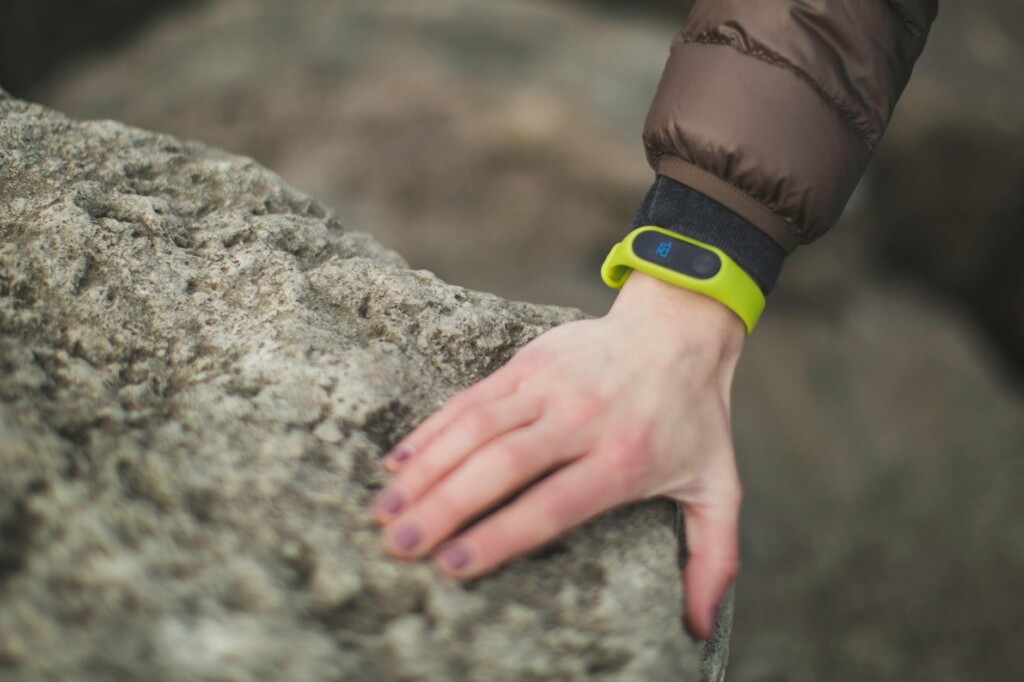
Featured image by Burst via Pexels.
Google’s latest entry in the fitness wearable market, the Fitbit Air, takes a bold step by removing the traditional screen. This move raises the question: can a fitness tracker work without a display and still deliver value? After exploring its features and design, it’s clear that the Fitbit Air offers a compelling blend of simplicity, affordability, and continuous health monitoring.
Design and Comfort: Barely There on Your Wrist
One of the Fitbit Air’s standout features is its ultra-lightweight design. At roughly half the weight of most screen-equipped trackers, it feels more like a fitness band than a gadget. The absence of a screen means the device is slimmer and less prone to damage or scratching during activity.
The tracker uses a subtle LED indicator to communicate status, but otherwise relies on the companion app for detailed insights. This minimalist approach appeals to users who dislike bulky devices or constant screen glances. The Fitbit Air is water-resistant, making it suitable for everyday wear and workouts, including swimming.
Core Features: Tracking That Matters
Despite lacking a screen, the Fitbit Air still delivers comprehensive health and fitness tracking:
- Continuous Heart Rate Monitoring: Provides accurate heart rate data throughout the day and during exercise.
- Step and Activity Tracking: Counts steps, distance, and active minutes reliably.
- Sleep Tracking: Offers detailed sleep cycle analysis accessible through the Fitbit app.
- Workout Detection: Automatically recognizes common activities like running, cycling, and swimming.
- Battery Life: Impressively long, lasting up to 7 days on a single charge thanks to the absence of a power-hungry screen.
This feature set matches or exceeds many similarly priced screen-based trackers, making the Fitbit Air a strong contender for those prioritizing core health metrics over bells and whistles.
App Experience and Connectivity
Since the Fitbit Air lacks a screen, the Fitbit smartphone app becomes essential. The app offers a clean, intuitive interface for reviewing detailed stats, setting goals, and managing notifications. Users can customize which alerts—calls, texts, calendar events—are pushed to the device via subtle vibrations and LED signals.
Connectivity is seamless with both Android and iOS devices. Syncing is fast and efficient, ensuring your data is always up to date. For entrepreneurs and side-hustlers who appreciate streamlined tech, the Fitbit Air’s simplicity reduces distractions while keeping important health data close at hand.
Pricing and Value
One of the most attractive aspects of the Fitbit Air is its price point. It’s positioned as Google’s most affordable Fitbit to date, making it accessible for a wide range of users. This affordability, combined with useful fitness tracking features, makes it an excellent option for anyone new to wearables or those who want a reliable fitness companion without overspending.
While premium models like the Fitbit Charge or Versa offer more advanced features such as built-in GPS and music controls, the Fitbit Air targets users who want the essentials done well, without the extra cost or complexity.
Who Should Consider the Fitbit Air?
If you’re looking for a wearable that’s:
- Lightweight and unobtrusive
- Focused on core health and fitness tracking
- Affordable and easy to use
- Compatible with your smartphone for detailed analysis
then the Fitbit Air is worth a closer look. It’s particularly suited for people who find screen-based trackers distracting or uncomfortable, or those who want a reliable secondary tracker for sleep and heart rate monitoring.
For more insights on wearable tech and to explore other options, check out our wearables section.
To learn more about the Fitbit Air’s detailed review, visit WIRED’s comprehensive analysis.
If you’re ready to upgrade your fitness tracking with a minimalist, affordable device, explore Fitbit Air products here and get started today.
FAQ
Does the Fitbit Air track GPS without a phone?
No, the Fitbit Air does not have built-in GPS. It relies on your smartphone’s GPS for location tracking during activities.
How does the Fitbit Air notify me without a screen?
It uses subtle vibrations and LED light signals to alert you to notifications, which you can customize through the Fitbit app.
Is the Fitbit Air suitable for swimming?
Yes, it is water-resistant and can be worn while swimming, tracking your activity and heart rate during water workouts.
How long does the battery last?
The battery typically lasts up to 7 days on a single charge, depending on usage and notification settings.
This article may include practical opinions, tool suggestions, and product references. Always verify pricing, features, and availability before making decisions.
