
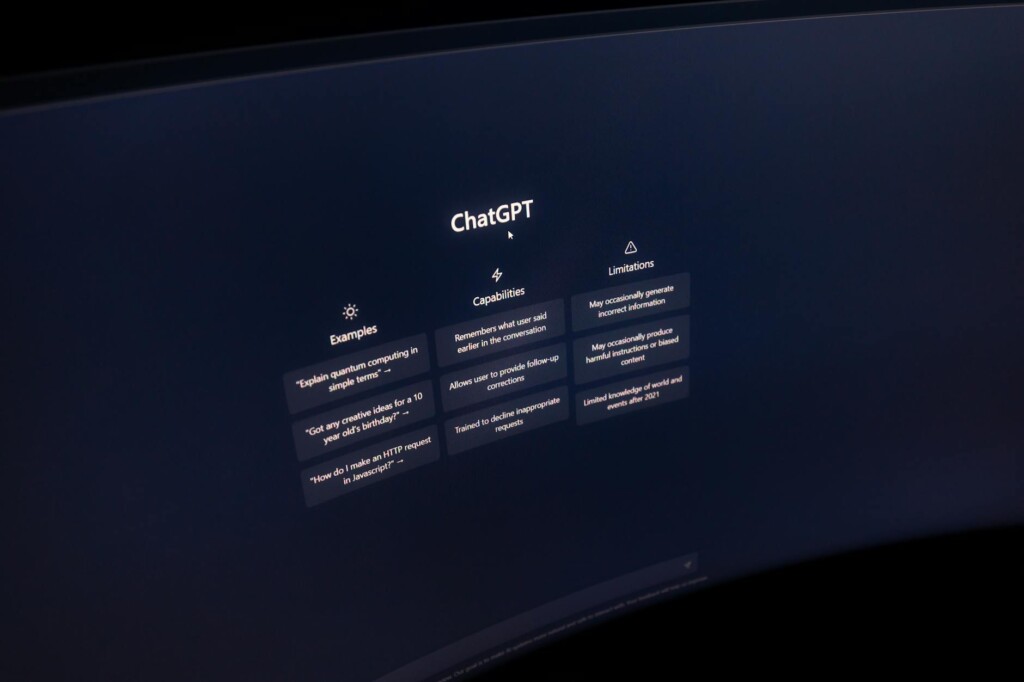
Featured image by Matheus Bertelli via Pexels.
Artificial intelligence has long fascinated entrepreneurs and technologists for its potential to automate tasks and solve complex problems. But what happens when AI starts building and improving itself without constant human intervention? Richard Socher, a well-known AI researcher and entrepreneur, is betting big on this next frontier with his new $650 million startup. His vision: an AI capable of continuous self-improvement and product delivery.
The Concept Behind AI Building Itself
At its core, Socher’s startup aims to develop an AI system that can independently research, design, and enhance its own algorithms and capabilities. This contrasts with traditional AI development, which requires extensive human input for training, testing, and iteration. Instead, the AI would:
- Identify performance bottlenecks and areas for improvement
- Experiment with new model architectures or techniques
- Evaluate results and select better versions autonomously
- Ship usable software products without direct human coding
This approach could drastically speed up innovation cycles, reduce development costs, and open new possibilities for complex problem solving.
Why This Matters for Entrepreneurs and Side-Hustlers
For everyday users and small businesses, the idea of AI that builds itself could be transformative. Currently, creating AI-powered software demands significant expertise and resources. But if AI can autonomously improve and deploy solutions, it could:
- Lower the barrier to entry for AI-driven tools and applications
- Enable rapid prototyping and iteration for startups
- Automate routine coding and testing tasks
- Allow entrepreneurs to focus more on strategy and less on technical grunt work
This democratization of AI technology aligns with broader digital trends where automation and AI tools empower non-experts to innovate.
Challenges and Risks in Self-Improving AI
While the potential is exciting, there are also significant hurdles. Self-improving AI systems need to be carefully controlled and monitored to avoid unintended consequences. Some challenges include:
- Transparency: Understanding how the AI modifies itself is critical for trust and debugging.
- Safety: Ensuring improvements don’t degrade performance or introduce vulnerabilities.
- Ethics: Preventing harmful behaviors or biases from emerging without human oversight.
- Reliability: Guaranteeing that products shipped are robust and meet user needs.
Socher insists his startup will actively ship products, which adds pressure to ensure these risks are managed effectively.
What This Means for the Future of AI and Tech
If successful, AI that builds itself could redefine software development and automation. We might see AI systems that continually evolve, adapt to new environments, and solve problems faster than ever before. This could impact areas like:
- Machine learning research
- Enterprise software solutions
- Consumer applications powered by AI
- Automation of creative and technical workflows
For those interested in exploring the evolving landscape of AI and automation, keeping an eye on developments like Socher’s startup is crucial. You can read the full TechCrunch article for detailed insights.
To stay ahead, entrepreneurs and tech-curious individuals should also explore practical AI tools and automation strategies. Our Focus9X site offers resources and reviews to help you leverage AI effectively in your projects and business.
Getting Started with AI Tools Today
While fully autonomous, self-improving AI is still emerging, you can harness existing AI tools to boost productivity and innovation now. Consider:
- Using AI-powered code assistants like GitHub Copilot to speed up development
- Experimenting with no-code AI platforms for rapid prototyping
- Automating repetitive tasks with AI-based workflow tools
- Learning about emerging AI trends through trusted tech sources
These steps can prepare you for the next wave of AI-driven change and give your projects a competitive edge.
FAQ
What does it mean for AI to build itself?
It means that an AI system can autonomously research, improve, and upgrade its own algorithms and capabilities without continuous human input.
Why is Richard Socher’s startup important?
Socher’s startup is significant because it aims to create AI that can self-improve indefinitely and deliver real products, potentially accelerating innovation.
Are there risks with self-improving AI?
Yes, risks include lack of transparency, safety concerns, ethical issues, and ensuring the reliability of AI-generated products.
How can I start using AI tools today?
You can start by exploring AI code assistants, no-code platforms, and automation tools to enhance your workflows and develop AI-powered projects.
This article may include practical opinions, tool suggestions, and product references. Always verify pricing, features, and availability before making decisions.
