
Featured image by Nic Wood via Pexels.
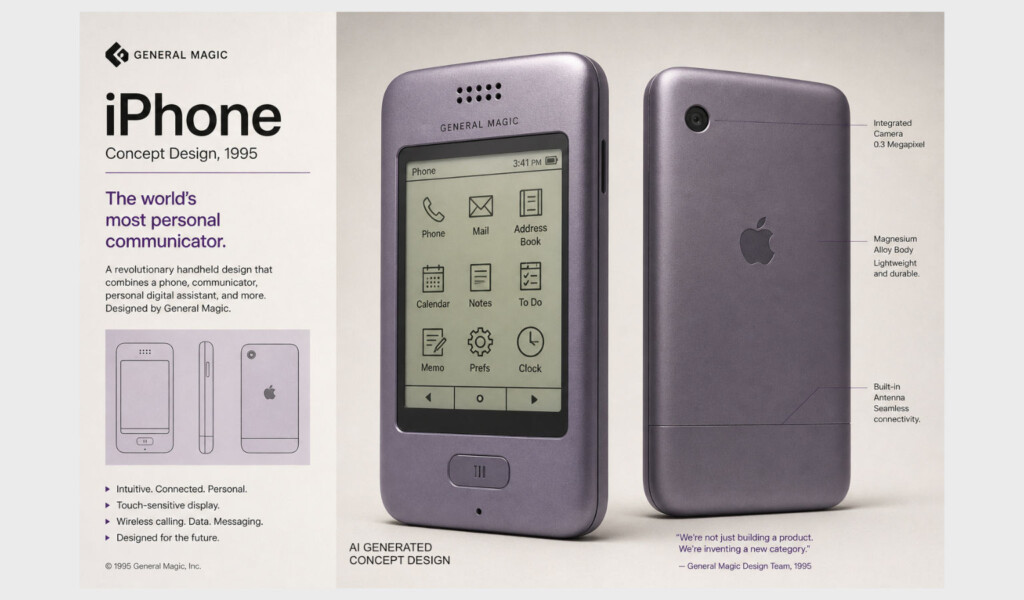
Long before the iPhone revolutionized the way we communicate, a small Silicon Valley startup called General Magic was quietly building what looked like the first true smartphone. Founded in 1990 by former Apple employees, this ambitious company aimed to transform personal communication and computing with a device decades ahead of its time. So, what happened to the iPhone that never was?
The Birth of General Magic and Its Vision
General Magic was formed by a group of Apple engineers and visionaries, including Marc Porat, Andy Hertzfeld, and Bill Atkinson—names deeply connected to Apple’s early innovations. Their goal was to create a personal communicator that combined a phone, computer, and online messaging into one handheld device. This was the early 1990s, when mobile phones were bulky and the internet was still in its infancy.
Unlike the clunky mobile phones of that era, the General Magic device featured a touchscreen interface, email, fax, and even a rudimentary app ecosystem. It was designed to be an all-in-one communication hub, seamlessly connecting users to a digital world that barely existed yet.
What Made General Magic’s Device So Ahead of Its Time?
The technology and ideas behind General Magic’s device were remarkably forward-thinking. Here’s what set it apart:
- Touchscreen Interface: The device used a stylus and touchscreen, well before capacitive touchscreens became mainstream.
- Software Platform: General Magic developed an operating system and a programming language called Telescript that allowed interactive applications.
- Connectivity: It supported wireless communication for email, messaging, and fax, anticipating today’s always-connected devices.
- Digital Assistant Concept: The team envisioned a personal assistant that could help manage communications and tasks, a precursor to Siri and Google Assistant.
These features were revolutionary — but also posed significant challenges given the technology and infrastructure of the time.
Why Didn’t General Magic’s Device Take Off?
Despite its innovative design and the Silicon Valley dream behind it, General Magic’s device never achieved commercial success. Several factors contributed to this outcome:
- Market Readiness: The early 1990s consumer market was not ready for such a device. Mobile networks were slow and unreliable, and few people saw the need for a personal communicator.
- Technical Limitations: Battery life, processing power, and wireless infrastructure were insufficient to support the ambitious features.
- High Costs: The device was expensive to manufacture and purchase, limiting its mass adoption.
- Competition and Focus: General Magic’s team struggled to find the right partners and market approach amid shifting tech landscapes.
Ultimately, the device was released in a limited capacity but failed to gain traction. General Magic closed its doors in 2002, well before the era of smartphones began.
The Legacy of General Magic and Its Influence on Today’s Tech
While the device itself never became a household name, General Magic’s influence echoes loudly in today’s digital world. Many of its founders and engineers went on to contribute to major tech companies and projects, including Apple’s iPhone and Google’s Android operating system.
The concept of a touchscreen interface, personal digital assistant, and ubiquitous connectivity that General Magic pioneered are foundational to modern smartphones. This story was recently highlighted by WIRED, giving us a fascinating glimpse into a device that almost changed everything.
If you’re curious about how early tech innovations shape the products we use today, check out more digital trends and tools on Focus9X.
What Entrepreneurs and Side-Hustlers Can Learn
The story of General Magic is a powerful reminder that timing, infrastructure, and market readiness are just as critical as innovation. For entrepreneurs and side-hustlers exploring new tech ideas, here are some practical takeaways:
- Innovate with Market Context: Understand whether your target audience and technology ecosystem are ready for your product.
- Plan for Infrastructure: Consider limitations like network speeds, battery life, and production costs early in development.
- Stay Adaptable: Be prepared to pivot or adjust your approach as technologies and markets evolve.
- Build for the Future: Even if your idea doesn’t succeed now, it can pave the way for future innovations.
General Magic’s vision was ahead of its time, but its legacy lives on in every smartphone we carry today.
FAQ
Q: Who founded General Magic?
General Magic was founded by former Apple employees including Marc Porat, Andy Hertzfeld, and Bill Atkinson.
Q: What features did the General Magic device have?
It featured a touchscreen, email, fax, wireless communication, and a personal assistant concept.
Q: Why didn’t the device succeed?
Market readiness, technical limitations, high costs, and lack of infrastructure held it back.
Q: How is General Magic relevant today?
Its innovations influenced modern smartphones and digital assistants, shaping today’s tech landscape.
This article may include practical opinions, tool suggestions, and product references. Always verify pricing, features, and availability before making decisions.
