
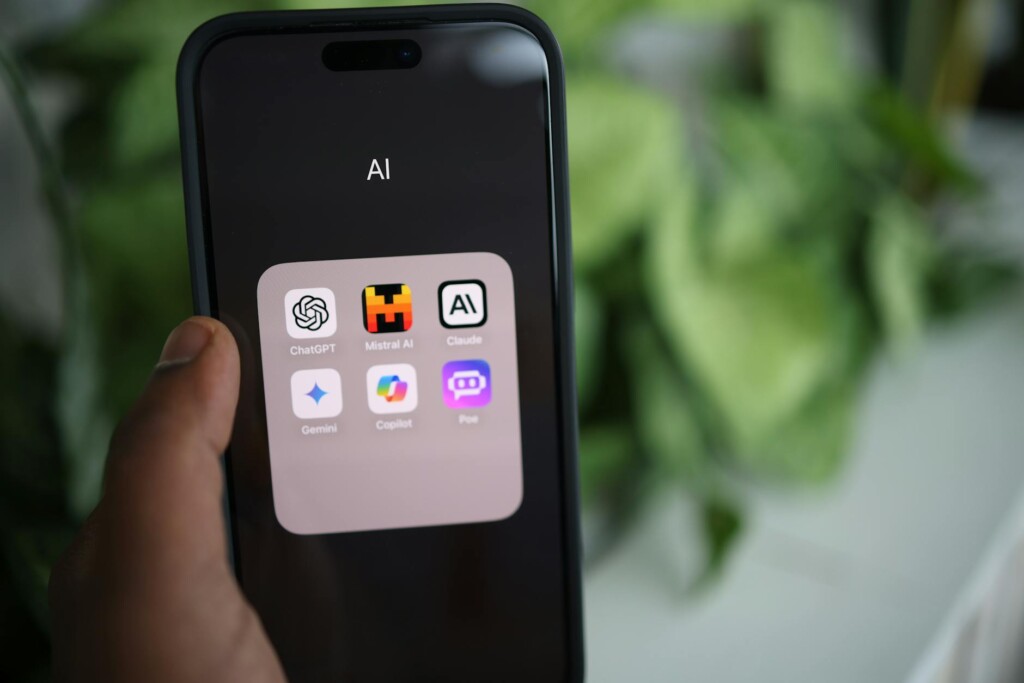
Featured image by Solen Feyissa via Pexels.
Imagine a smartphone where traditional apps are replaced by AI agents that understand your needs and manage tasks for you. According to a recent TechCrunch report, OpenAI could be working on such a device, potentially entering mass production by 2028. This article explores what this innovation might look like and how it could change the way we use mobile technology.
What Is an AI Agent Phone?
The idea behind OpenAI’s rumored phone is to replace traditional apps with intelligent AI agents that proactively assist users. Instead of opening an app to perform a task, you would interact with AI-powered agents tailored to handle various functions—be it messaging, scheduling, shopping, or even content creation.
These agents would leverage advanced natural language understanding and contextual awareness to anticipate your needs and simplify your interactions. This could make the phone experience more intuitive and less fragmented.
Why Replace Apps with AI Agents?
The current smartphone ecosystem relies heavily on apps, each designed for specific tasks. While this model works, it has several drawbacks:
- Fragmentation: Users juggle multiple apps for similar functions, causing clutter and confusion.
- Learning curve: Each app has its own interface, requiring time to learn and adapt.
- Notifications overload: Multiple apps generate constant alerts, overwhelming users.
- Data silos: Apps often operate independently, limiting seamless data sharing.
AI agents could address these issues by acting as unified, intelligent assistants that handle various tasks within a single interface. This approach might streamline workflows and reduce the friction of switching between apps.
What Could This Phone Look Like in Practice?
While details remain speculative, here’s a practical look at how an AI agent phone might function:
- Conversational Interface: Instead of launching apps, you talk or type commands to AI agents who execute them.
- Context Awareness: The phone understands your location, schedule, preferences, and habits to offer timely suggestions.
- Task Automation: Agents can handle multi-step tasks like booking appointments, sending messages, or shopping online without manual input.
- Personalization: The AI learns and adapts to your style, improving over time.
- Privacy Controls: Given the sensitivity of personal data, privacy and security will be critical design priorities.
When Could We See This Phone?
The TechCrunch article cites an analyst predicting mass production around 2028. This timeline suggests OpenAI is likely in early development stages or prototyping. For comparison, mainstream smartphones typically take years to design, test, and manufacture at scale.
Given the complexity of integrating advanced AI agents deeply into hardware and software, a gradual rollout is expected. Early versions might focus on enhancing existing smartphones with AI agent capabilities before launching a dedicated device.
Challenges Ahead
Replacing apps with AI agents is an ambitious vision, and several challenges must be addressed:
- Technical Complexity: Developing AI agents that can reliably understand and execute diverse tasks is difficult.
- User Trust: Users need assurance that AI will respect privacy and security.
- App Ecosystem: Transitioning from an established app-based model requires broad developer and user adoption.
- Hardware Optimization: Integrating AI capabilities efficiently without draining battery or slowing performance is crucial.
Despite these hurdles, OpenAI’s expertise in AI research and growing partnerships in tech could help overcome them.
What This Means for Entrepreneurs and Everyday Users
If OpenAI succeeds, the phone could redefine how we interact with technology daily. Entrepreneurs and side-hustlers might benefit from AI agents that automate routine tasks, manage communications, or assist with creative work, freeing up more time for strategic efforts.
Everyday users could experience a more streamlined, personalized, and less distracting phone experience. However, adapting to a new paradigm will require some learning and trust in AI assistants.
How to Prepare for an AI Agent-Driven Mobile Future
- Stay Informed: Follow updates from trusted tech news sources like TechCrunch and industry analysts.
- Explore AI Tools: Experiment with AI-powered apps and services today to get comfortable with AI interfaces. Check out platforms like OpenAI’s tools to see how AI can enhance your productivity.
- Consider Privacy: Evaluate how your data is used by current apps and services to develop good privacy habits before AI agents handle more sensitive tasks.
- Adapt Skills: Learn to interact with conversational AI assistants and voice commands, which will likely be central to these phones.
Conclusion
OpenAI’s rumored phone with AI agents replacing traditional apps could be a game-changer in mobile technology. While it’s still early days and much is speculative, the concept aligns with broader trends toward more intelligent, proactive, and personalized digital experiences. If you’re curious about the future of AI and smartphones, it’s worth keeping an eye on this development as it unfolds.
FAQ
What exactly are AI agents on a phone?
AI agents are intelligent programs that can understand user requests and perform tasks autonomously, replacing the need to open individual apps.
When might OpenAI’s AI-powered phone be available?
According to analyst predictions, mass production could begin around 2028, but details remain uncertain.
Will this phone be easy to use for non-tech-savvy people?
The goal is to create a more intuitive experience by using natural language and context-aware AI, which could simplify phone usage for many users.
How will privacy be handled on a phone relying on AI agents?
Privacy is expected to be a key focus, with strong data protection measures and user controls to manage what information AI agents access.
This article may include practical opinions, tool suggestions, and product references. Always verify pricing, features, and availability before making decisions.
