
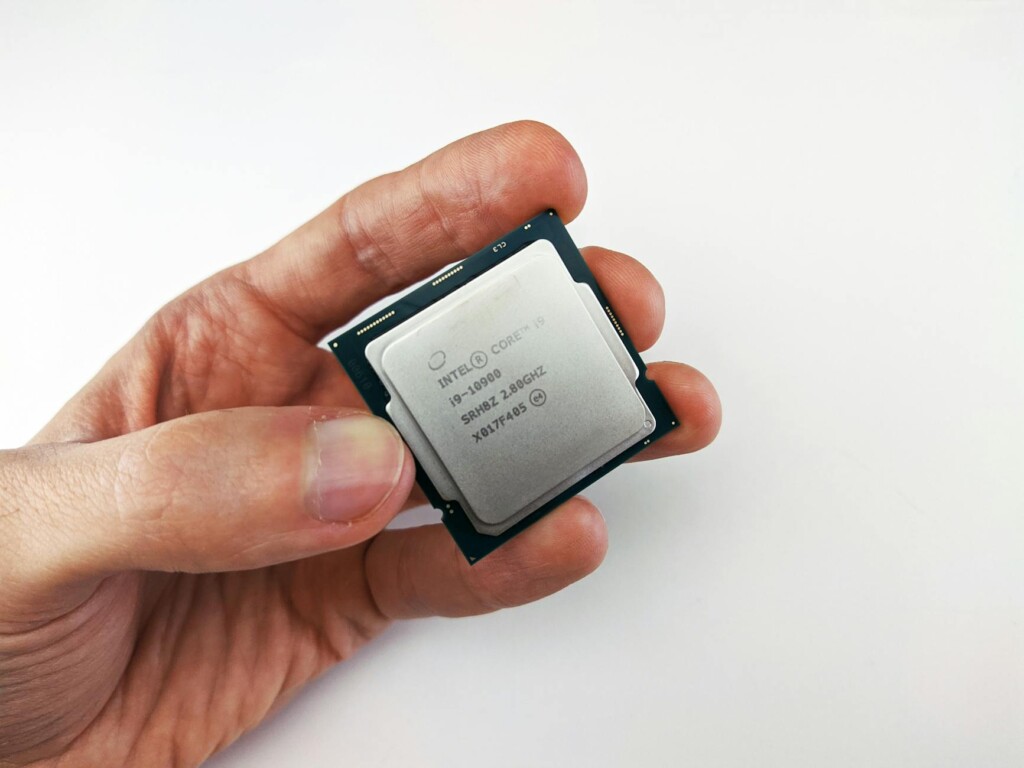
Featured image by Andrey Matveev via Pexels.
As artificial intelligence continues to reshape technology and business, the infrastructure supporting AI workloads has become a critical focus. Recently, Google and Intel announced they are deepening their collaboration to co-develop custom chips designed specifically for AI applications. This move comes at a time when global CPU demand is surging and supply shortages are impacting the industry.
Why This Partnership Matters
Google and Intel are two of the most influential players in the tech landscape. Google, with its vast array of AI-powered services and cloud infrastructure, relies heavily on advanced hardware to deliver performance. Intel, a longstanding leader in semiconductor manufacturing, has been actively expanding its AI-focused chip portfolio.
The partnership aims to combine Google’s software expertise and AI workloads knowledge with Intel’s hardware design and manufacturing capabilities to create custom AI chips optimized for efficiency and speed. This is particularly important now, as demand for AI processing power is exploding across industries from healthcare to finance to autonomous systems.
Addressing the Global CPU Shortage
The semiconductor industry has been grappling with supply chain issues and shortages that have tightened CPU availability worldwide. This shortage affects everything from consumer electronics to large data centers. By co-developing custom chips, Google and Intel hope to mitigate some of these supply challenges by tailoring hardware directly to Google’s AI needs, potentially improving performance while reducing reliance on off-the-shelf components.
What the Custom Chips Could Bring
While details remain limited and some aspects of the collaboration are still under wraps, we can expect several potential benefits from these custom AI chips:
- Improved AI Processing Efficiency: Custom chips can be optimized for specific AI models and workloads, boosting speed and reducing energy consumption.
- Better Integration: Hardware designed alongside Google’s software stack can enable tighter integration and smoother operation.
- Supply Chain Advantages: Co-development could help Google secure chip supply and Intel to better forecast production.
- Innovation in Chip Architecture: This partnership may lead to new designs that push the boundaries of current AI hardware capabilities.
Implications for Entrepreneurs and Tech Enthusiasts
This collaboration signals a growing trend where large tech companies seek to customize hardware specifically for AI workloads rather than relying solely on general-purpose CPUs or GPUs. For entrepreneurs and developers, this means the AI tools and cloud services they use may become faster, more efficient, and potentially more cost-effective over time.
If you’re interested in exploring AI development or cloud computing, it’s worth checking out Google’s AI and cloud offerings to see how these infrastructure improvements could benefit your projects.
How This Fits into the Bigger AI Trend
Custom AI chips are a growing focus across the industry. Companies like NVIDIA, AMD, and Apple have already invested heavily in tailored hardware for AI tasks. Google’s and Intel’s partnership is another step toward specialized infrastructure that supports the next generation of AI applications, from natural language processing to real-time machine learning.
For those following AI trends, it’s a reminder that true progress requires advances not just in algorithms but also in the hardware that powers them. By combining forces, Google and Intel are betting on a future where hardware and software co-evolve for maximum impact.
What to Watch Next
While the announcement is promising, many details about the chips’ exact specifications, timelines, and deployment strategies remain unclear. Industry watchers will be keen to see how this partnership shapes Google’s Cloud AI offerings and Intel’s product roadmap.
Stay tuned to sources like TechCrunch for updates, and if you’re looking to get hands-on with AI today, consider exploring popular tools and frameworks like TensorFlow or PyTorch to get started with AI development.
FAQ
What is the main goal of the Google and Intel AI partnership?
The goal is to co-develop custom AI chips that improve performance and efficiency for AI workloads while addressing global CPU shortages.
How will this affect AI developers?
Developers may benefit from faster, more efficient cloud AI services powered by these custom chips, potentially lowering costs and improving capabilities.
When will the custom chips be available?
Details on timelines are limited, but expect gradual integration into Google’s AI infrastructure over the coming years.
Can smaller companies access these custom chips?
While initially designed for Google’s own use, improvements in Google Cloud AI services powered by these chips could become accessible to businesses of all sizes.
This article may include practical opinions, tool suggestions, and product references. Always verify pricing, features, and availability before making decisions.
