
Choosing the right gear often comes in two stages: first, selecting the camera, and then, deciding how you’ll store what it captures. After pouring over specifications, watching endless YouTube reviews, and debating which camera-and-lens combo fits your needs, you finally commit and make the purchase. But that’s only half the battle, next comes the equally important question: what recording media will serve you best?
No matter the location or circumstances of a shoot, our focus remains the same, finding the most efficient and reliable way to preserve every moment we capture. Speed, quality, and dependability are always at the forefront of that choice.
When faced with a wall of different SD card brands, does it really matter which one we pick?
Imagine we shrug it off with a “whatever works” mindset. We grab three bargain-bin SD cards—cheapest on the market, no reviews, no guarantees. Fast-forward a bit, and a friend asks us to film their wedding. Perfect! We set up the camera in an ideal spot, ready to capture every heartfelt moment of the ceremony.
The big day unfolds, and we’re confident the entire thing is safely stored on our card. Later that night, we skim through the footage and… something’s off. There are odd glitches in the video, and the audio has this piercing, high-pitched ping. It’s annoying, but we brush it aside—until we try to play back one of the most important moments in front of the newlyweds. We press “play,” and… well, let’s just say it’s not the magical memory we hoped for.
Frustration hits you first, followed quickly by embarrassment, anger, and a sinking sadness. No matter how many times you try, the footage simply won’t play. Every attempt to recover it on your computer ends in failure. Customer service isn’t even an option—there’s no way to reach them. You sit there, staring at the useless SD card, asking yourself if saving a few dollars was really worth it. The answer is clear: next time, both the camera and the memory card need to be higher quality, so you never find yourself in this position again.
Which one do you choose?
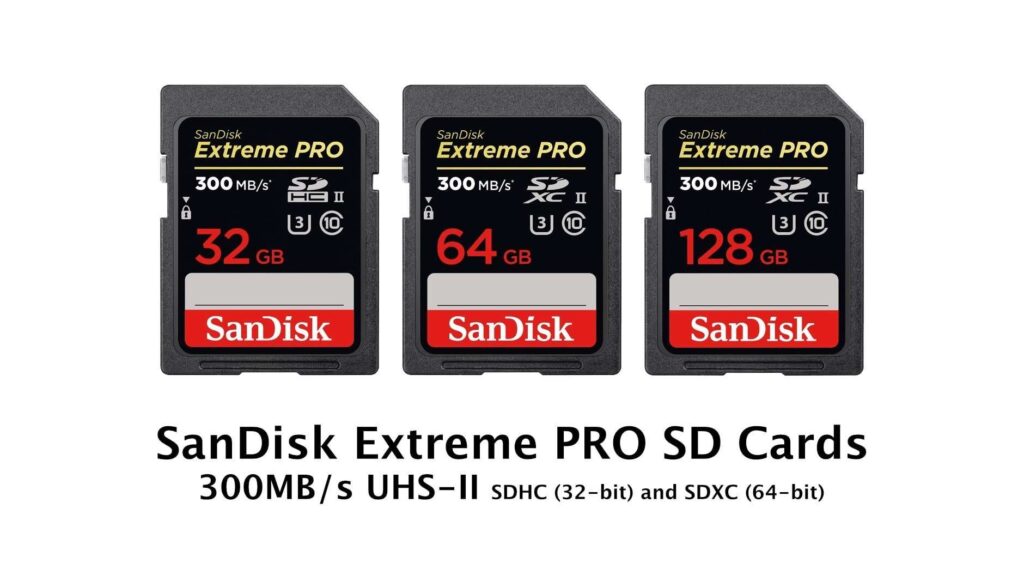
From countless conversations with seasoned photographers and filmmakers, one opinion keeps surfacing: SanDisk still leads the pack when it comes to SD cards. After using them extensively myself, I have to agree—the quick verdict is a definite yes. Their Pro UHS-II cards are built with a second row of connectors that push transfer speeds to the max, making them some of the fastest and most dependable cards you can buy.
Personally, I’ve never experienced a major failure or setback with any SanDisk product I’ve owned. On the rare occasions when clients have needed help, SanDisk’s customer service has proven exceptional—quick to respond and efficient in finding solutions. That mix of speed, reliability, and support is exactly why SanDisk continues to earn its reputation as the best choice on the market.
While the pandemic brought much of the entertainment and events industry to a halt, from grand weddings and television productions to big-budget films, the desire to celebrate love has not stopped. Couples still want to say “I do” and have that day preserved in a timeless, cinematic way they can cherish forever.
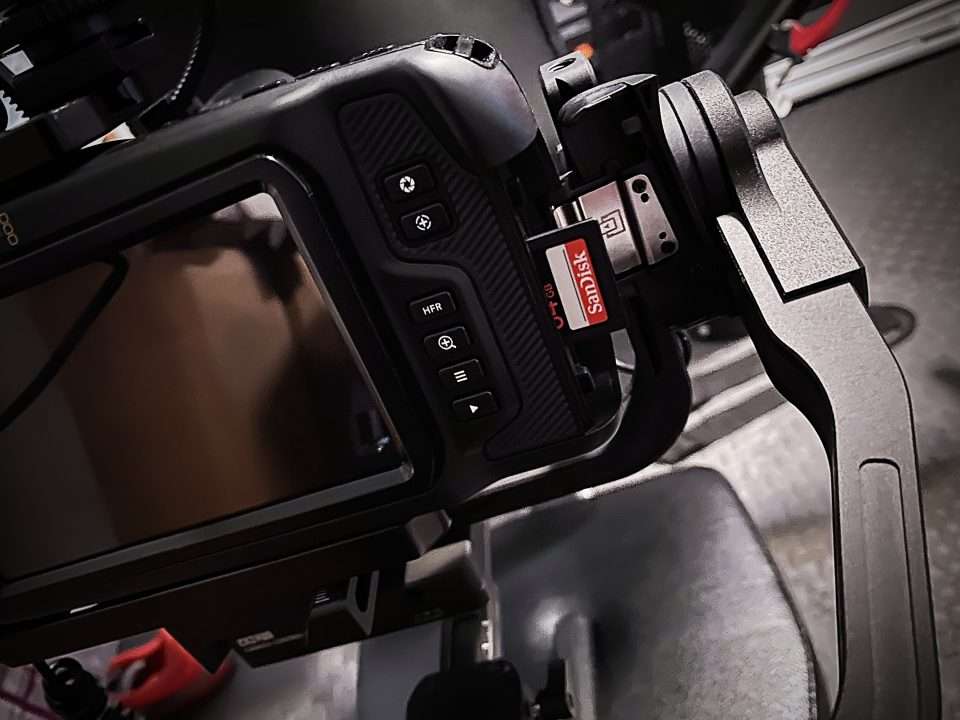
When I was invited to film a private ceremony in a stunning garden setting, I knew I needed equipment I could trust completely. I reached for the SanDisk Extreme Pro 300MB/s UHS-II, and it delivered flawless footage from start to finish. Most of us care deeply about the tools we use, avoiding the “who cares” approach and being intentional about the brands and media we put into our cameras. In moments this important, that attention to detail makes all the difference.
(Some screen captures below)


The SanDisk Extreme Pro UHS-II, rated at 300 MB/s, delivers average read speeds of 293.7 MB/s and write speeds of 242.2 MB/s. At first glance, it’s easy to confuse MB/s (megabytes per second) with Mbps (megabits per second), but these measure different things—one refers to data size, the other to transfer speed. The 300 MB/s rating means the card can store data at a rate of 300 megabytes every second. When converting this figure to megabits per second, more relevant for video recording, where the speed resembles streaming footage directly into the camera, it works out to about 2,496 Mbps.
To understand the conversion: one megabit contains one million bits, and it takes eight bits to equal one byte. Likewise, a megabyte holds one million bytes. This means the Pro UHS-II cards offer performance that far exceeds the needs of most workflows, essentially “future-proofing” them. In practice, many recording devices don’t come close to the card’s maximum throughput. For instance, my Blackmagic Pocket Cinema 4K records RAW footage at roughly 32 MB/s and peaks at around 127 MB/s when shooting in ProRes.
The SanDisk Extreme Pro UHS-II 300MB/s memory card is available in both SDHC (32-bit) and SDXC (64-bit) formats. If you choose the SDHC version, keep in mind it limits individual file sizes to a maximum of 4GB. The SDXC version, on the other hand, starts at capacities above 64GB and avoids that restriction, making it the better choice for most users.
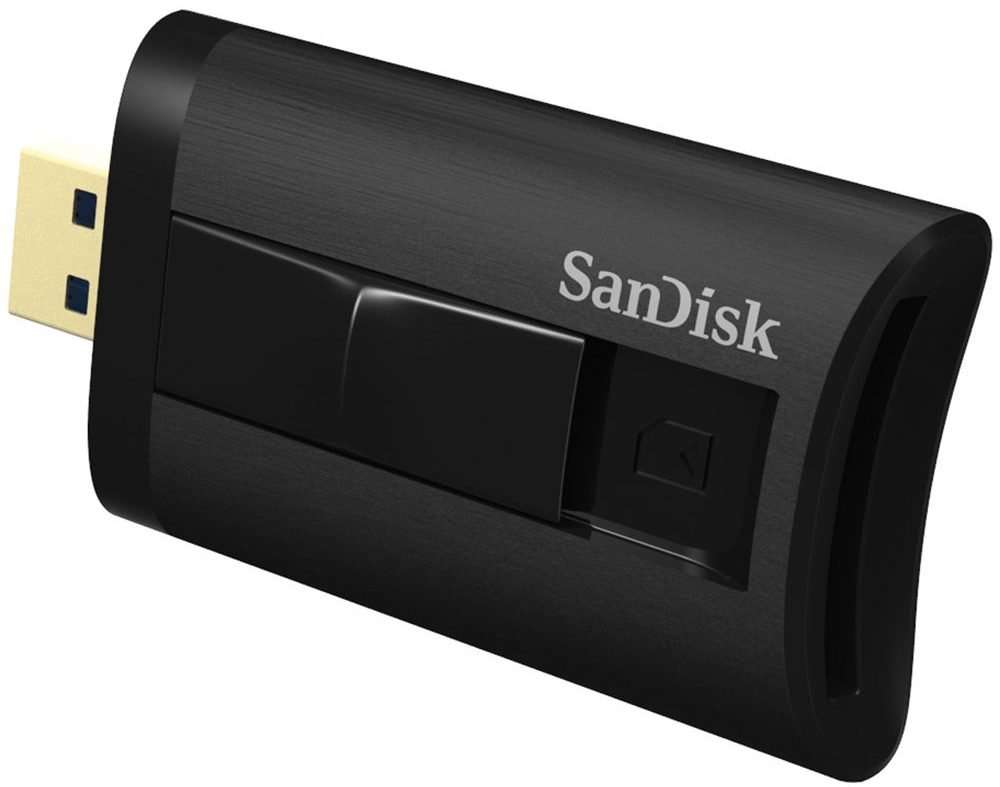
For transferring your footage or photos, the SanDisk Extreme Pro UHS-II SD Reader/Writer with USB 3.0 offers excellent speed—up to 500Mb/s—making it ideal for quickly moving media to your computer or an external SSD for editing or backup. It’s also backward-compatible with older cards. SanDisk offers other external card readers with similar speed and reliability if you’re looking for alternatives.
Data Transferring is Fast!
The SanDisk Extreme Pro UHS-II SD Reader and Writer USB 3.0 is a great choice for getting the fastest transfer of your media to an external SSD or your computer, to start editing the captured footage and/or for backup. It transfers up to 500Mb/s and is obviously backwards-compatible. SanDisk has other external card readers that work fast and are just as reliable.
Pricing for the SanDisk UHS-II 300MB/s cards ranges from $50 to $200, and they are available directly from SanDisk as well as through retailers like Amazon.
